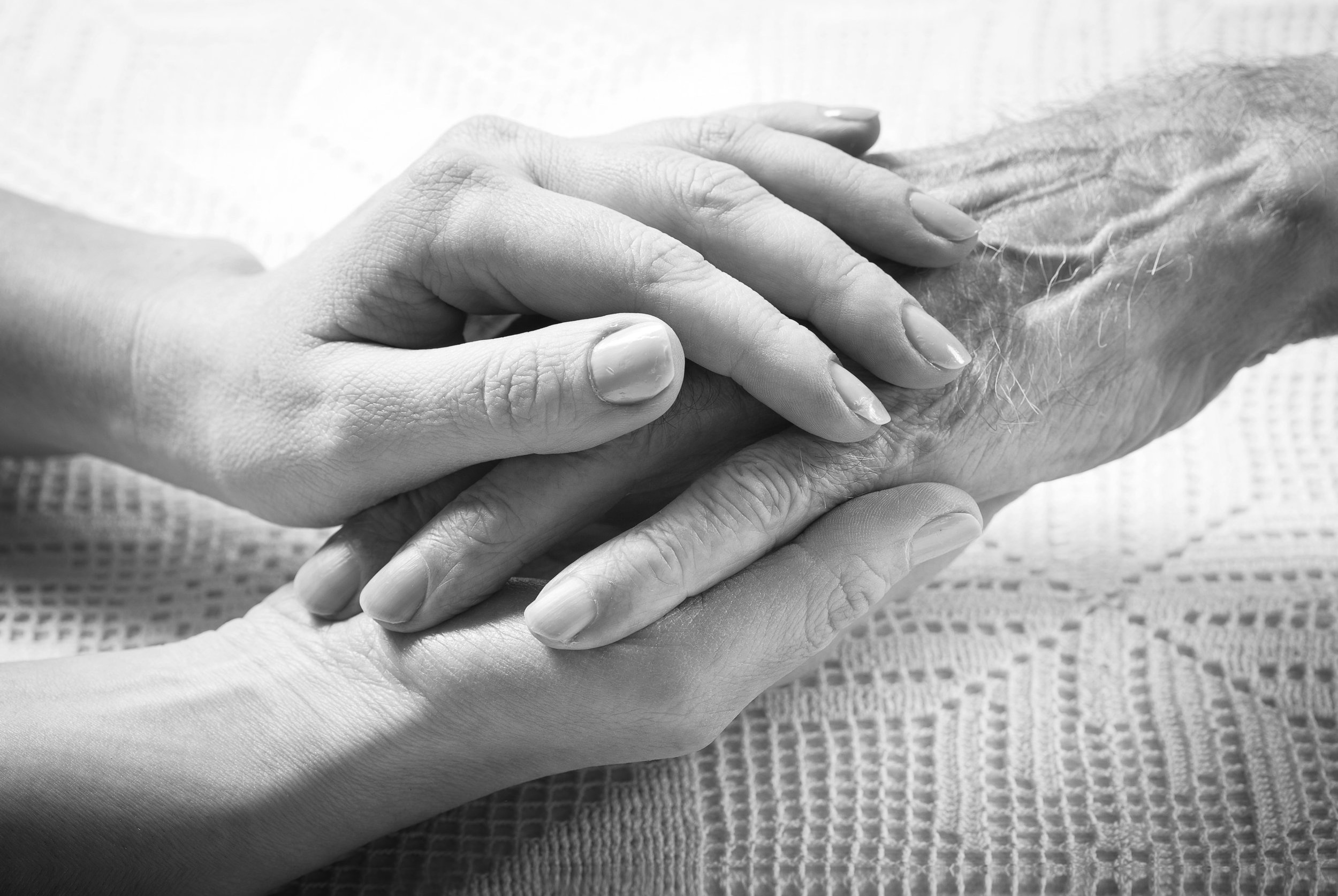
Life can take us through an infinite amount of routes but one thing is always certain, everyone will eventually face death. As a healthcare professional we may have to care for patients during this phase of their life and that is truly an honor. Although it is very sad, we can try to make our patients last few minutes on Earth filled with dignity and exactly as they wish. My understanding of death with dignity includes conversing with the patient about the inevitable, listening, and then doing our best to try and align our care with their preferences in order to make them feel safe, in control, and at peace. People that decide on death with dignity are those that have a terminal illness and will probably not recover from their diagnosis. It is definitely a very difficult decision to make. Many who have pets have had to make a gut wrenching decision to let go of their beloved family member before their illness decreases their quality of life and I feel that this is no different from humans.
Ethically speaking, death with dignity does not align with our nursing duty to employ non-maleficence. Non-maleficence is defined as doing no harm to our patient, and because death with dignity is medicating the patient until death people may argue that is going against the ethical code. However, non-maleficence also means causing no pain or suffering, and if my patient is fighting a terminal illness that has obviously inflicted pain, suffering, and vastly limited their quality of life I would want them to be able to advocate (thus addressing the ethical code of autonomy) for themselves and make that choice without judgment. On the other hand, beneficence is removing harm and lessening pain and suffering for our patients (Atkinson Smith et al., 2020). With that being said, death with dignity challenges a lot of our nursing code and duties and of course continues to be an ethical dilemma. However, I do believe people have the right to autonomy if they are deemed competent and are diagnosed with a terminal illness that will only get worse with time.
References
Atkinson Smith, M., Torres, L., & Burton, T. C. (2020). Patient rights at the end of life. Professional Case Management, 25(2), 77–84. https://doi.org/10.1097/ncm.0000000000000392
