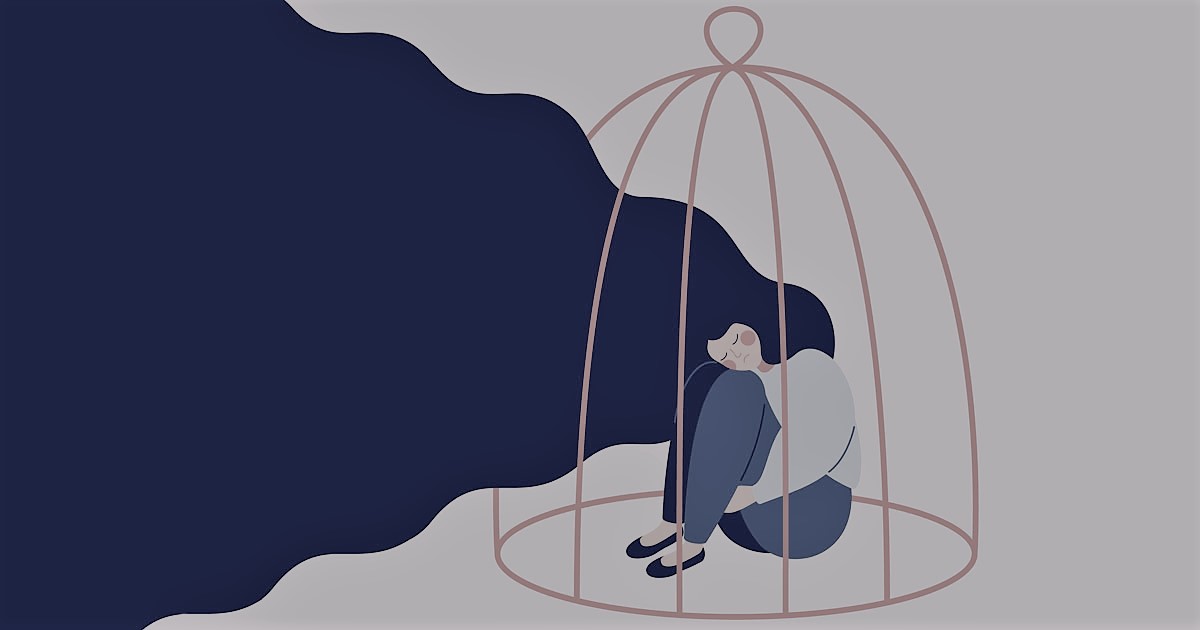
- Why do you think there is so much stigma associated with mental illness? What factors do you think contribute to self-stigma?
I think there is a lot of stigma associated with mental illness because people are not educated within that field. Oftentimes, people will stereotype those with a mental disorder discriminating against them and seeing them as unstable or even violent. The problem is there is more than one way these stigmas have stuck around, whether it is public, self, or institutionalized in society.
Some factors that contribute to self-stigma include shame, worrying about what their friends and family might think or simply a lack of understanding from others. Things like negative stereotypes are internalized by patients attempting to mitigate their mental illness. This hesitancy results in reluctance to seek help and prolonged treatment causing the patient to engage in self-isolation and poorer health outcomes. The stigma associated with mental illness may also create self-doubt and judgment. However, recently I have seen more and more posts on social media and the media expressing how common mental health illness is across the world. This has helped many who face similar challenges feel empowered and realize they are not isolated in this journey and have the courage to seek help and treatment.
- In what ways might a person’s culture impact their response to mental illness. Consider, for example, how religiousness/spirituality might intertwine with a person’s conceptualization of wellness and illness.
Depending on one’s own culture and beliefs there may be more obstacles to getting help if you suffer from a mental health illness. In an article published by Berkeley Public Health, it explains how patients will express their symptoms in different ways, somatic pain vs emotional distress, depending on their culture this is because some cultures reflect badly on the disorder. Moreover, some cultures have beliefs and opinions on who may be at risk for a mental illness, what may cause them, and whether it affects only the body or mind, or both. As mentioned above, if a patient is afraid of vocalizing their feelings and issues due to the stigma in society and their culture, it will decrease their likelihood for seeking help.
